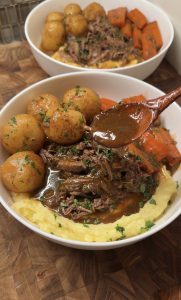
Classic Pot Roast
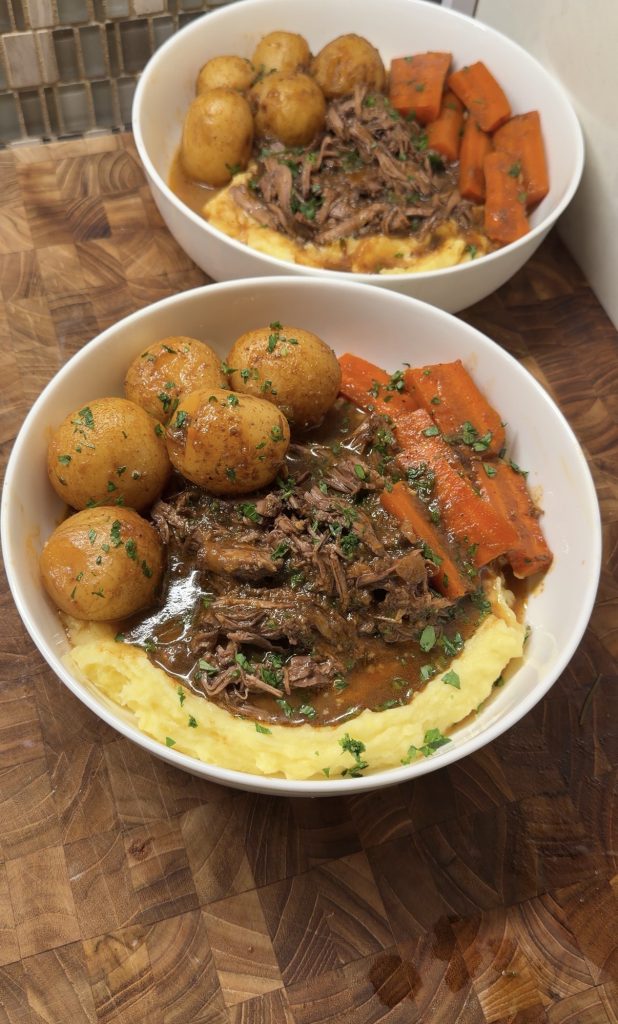
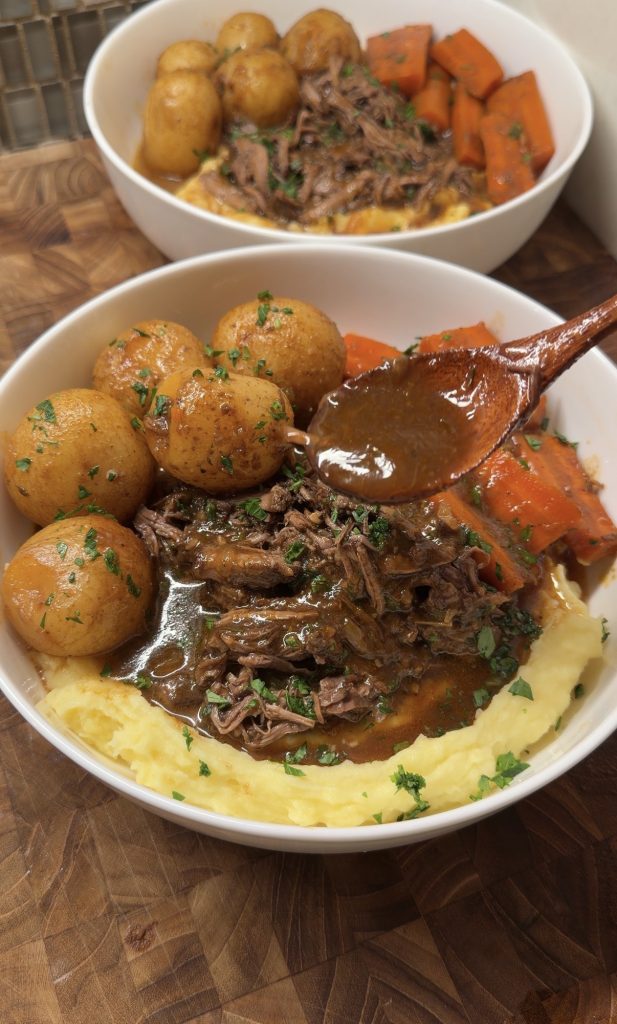
Pot roast is the ultimate cozy fall dinner. It takes a few hours but the actual hands on work is pretty minimal. The chuck roast is braised low and slow until it’s completely fall-apart tender, surrounded by potatoes, carrots, and celery that have soaked up all that rich braising liquid. I like to pair it with my garlic mashed potatoes from my steak and mashed potatoes recipe!
Why You’ll Love This Recipe
- Fall-apart tender chuck roast — low heat and a long braise transforms a tough cut into something that shreds with just a fork
- Red wine braising liquid — adds depth and complexity to the whole pot and becomes the base for the gravy
- One pot, hands-off cooking — once it’s in the oven it mostly takes care of itself
My Latest Videos
Pot Roast: Dinner Worth Waiting For
Pot roast takes 3.5 to 4.5 hours total but most of that time you’re just waiting while your oven does the work. The chuck roast goes in tough but comes out completely transformed, so tender that it barely holds together and deeply flavored from hours of braising in red wine, beef broth, and aromatics. The vegetables that cook alongside it absorb all of that flavor and the braising liquid tastes so good drizzled over some mashed potatoes.
Pot Roast Ingredients
THE ROAST
- 2.5 lb chuck roast
- olive oil
- salt, adjust to taste
- black pepper
THE BRAISE
- 1 large yellow onion, sliced (about 250 g)
- 5 cloves garlic, chopped
- 2 tbsp tomato paste
- ¾ cup dry red wine
- 2 to 3 cups low-sodium beef broth, as needed
- ½ tsp dried thyme, or 5 fresh sprigs
- ¼ tsp dried rosemary, or 1 small fresh sprig
- 1 bay leaf
- 2 tsp Worcestershire sauce (optional)
THE VEGETABLES
- 600 g baby Yukon Gold potatoes, cut into 1½ to 2 inch pieces
- 350 g carrots, cut into 2-inch pieces
- 120 g celery (about 2 ribs), cut into 2-inch pieces
OPTIONAL GRAVY (if you prefer thicker sauce)
- 2 tbsp unsalted butter, softened to room temperature
- 2 tbsp all-purpose flour
- 1 to 2 tsp red wine vinegar, to taste
TO FINISH
- Fresh parsley, chopped, optional
The Chuck Roast
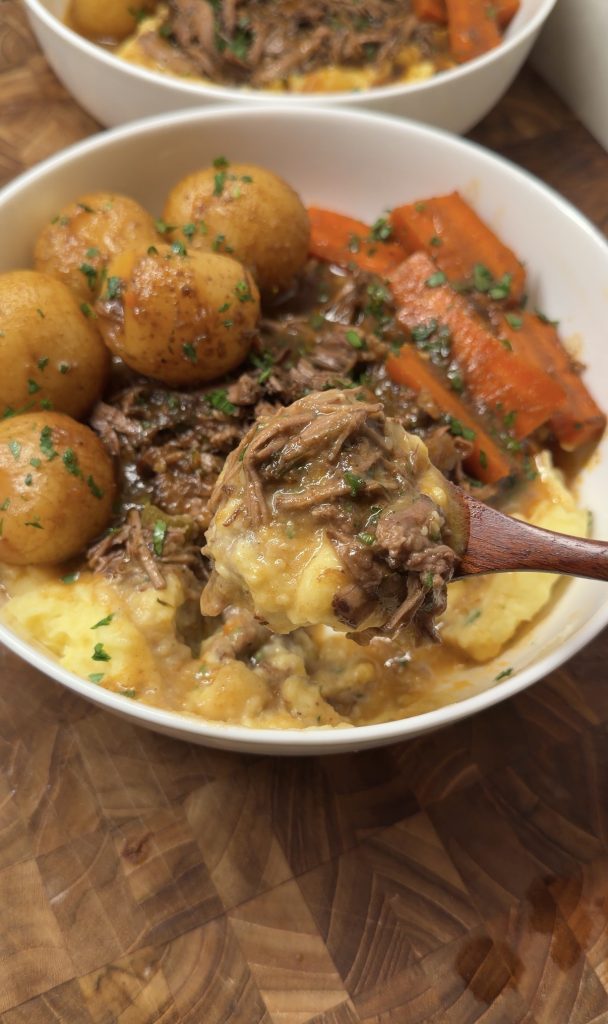
Chuck roast is the right cut for pot roast because of its fat content and connective tissue, both of which break down over the long braise into something silky and flavorful that you don’t get from leaner cuts. Pat it completely dry before seasoning and searing. Dry surface equals better browning and better browning equals more flavor in the final dish.
Building the Braise
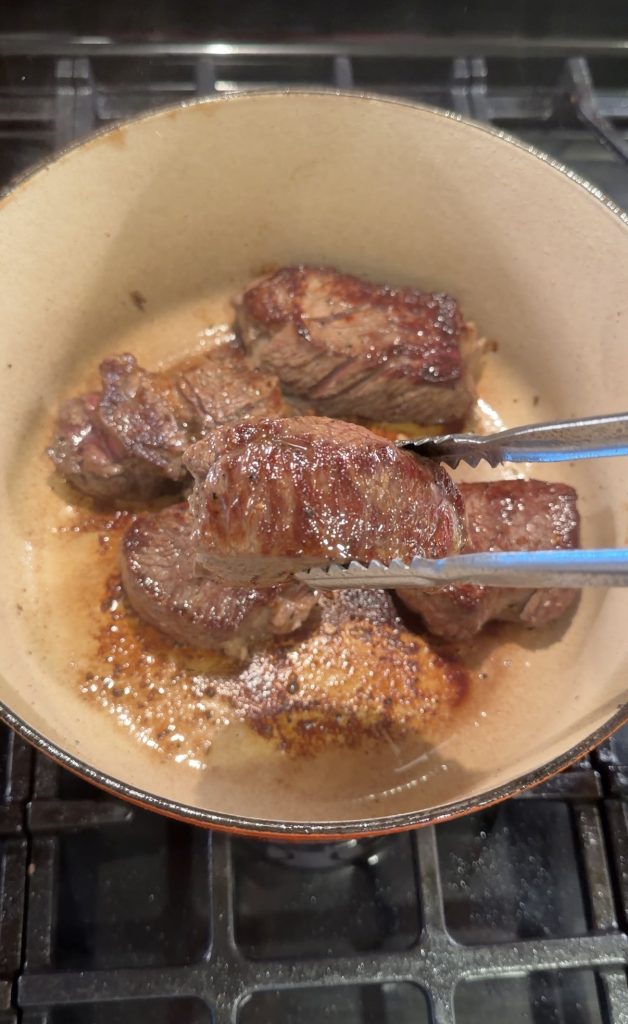
The flavor base here is built in layers. The onion cooks low and slow until it’s softened and golden. Then garlic, then tomato paste cooked until it deepens in color. Then the wine goes in and reduces by half, picking up all those browned bits from the bottom of the pot. By the time the broth and roast go in you already have something that smells incredible and that depth carries through the entire braise.
The Braising Liquid — Drizzle It or Make It Into a Gravy
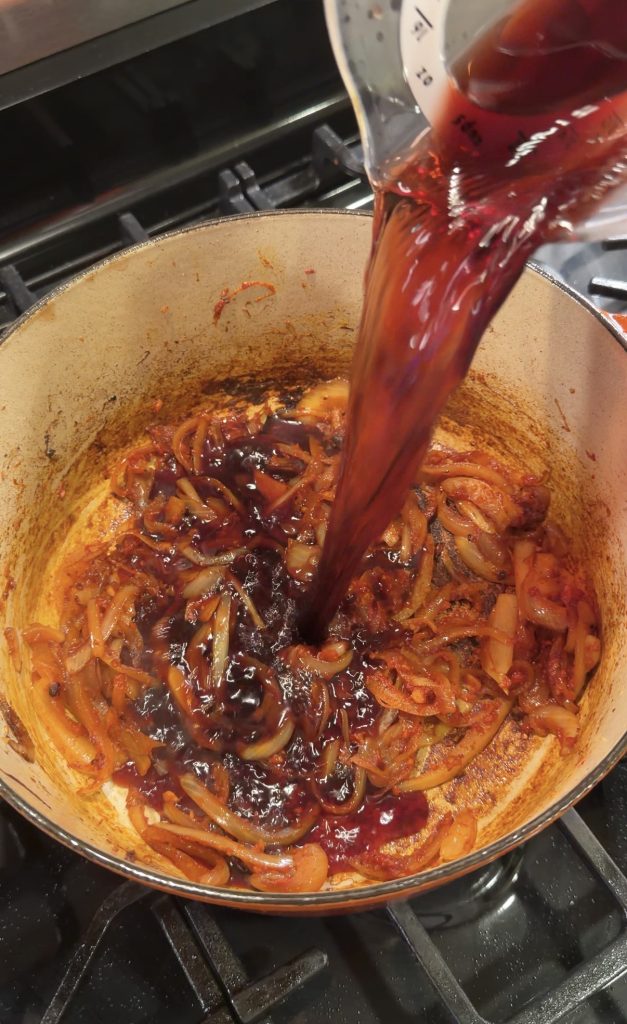
After the roast is done you’ll have a deeply flavorful braising liquid in the pot and honestly you don’t need to do anything fancy with it. Just skim any excess fat from the surface, stir in a teaspoon of red wine vinegar to brighten everything up, taste and adjust the seasoning, and spoon it right over the meat and vegetables as-is. It’s thin like a broth but it’s rich and savory and completely delicious. This is what most people do at home and there’s nothing wrong with it.
If you want something thicker that coats the meat more like a proper sauce you can take the extra step of making a gravy. You mash softened butter and flour together into a paste called a beurre manié, whisk it into the simmering braising liquid a little at a time, and let it simmer for 5-8 minutes until it thickens up into something silkier and more restaurant-style. It’s an easy step that only takes about 10 minutes but it’s completely optional. The braising liquid on its own is genuinely great.
How To Make Pot Roast
- Preheat and prep: Preheat oven to 300°F. Cut the beef into large chunks and pat completely dry with paper towels and season all over with salt and black pepper.
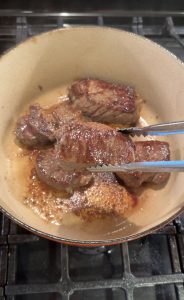
- Sear the roast: Heat olive oil in a Dutch oven over medium-high heat until shimmering. Brown the roast for 4-5 minutes on each side without moving it until a deep crust forms. Briefly brown the edges as well. Transfer to a plate and set aside.
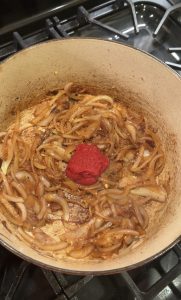
- Cook the onion: Lower the heat to medium. Add the sliced onion to the same pot and cook stirring occasionally until softened and golden. Add chopped garlic and cook for 1 minute until fragrant. Add tomato paste and cook stirring constantly for 2 minutes until it darkens slightly.
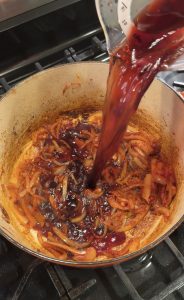
- Deglaze: Pour in the red wine and scrape up all the browned bits from the bottom of the pot. Simmer for 3-5 minutes until reduced by roughly half.
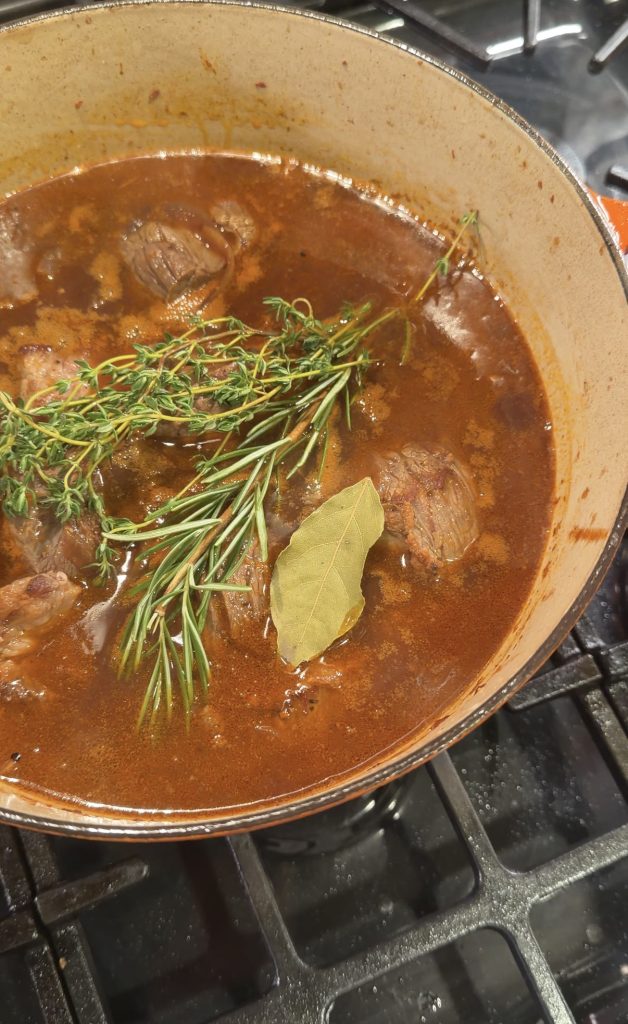
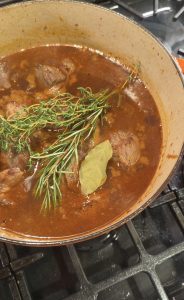
- Start the braise: Return the roast and any accumulated juices to the pot. Add thyme, rosemary, bay leaf, and Worcestershire sauce. Pour in enough beef broth to reach about halfway up the roast. Bring to a gentle simmer, cover tightly, and transfer to the oven for 2 hours.
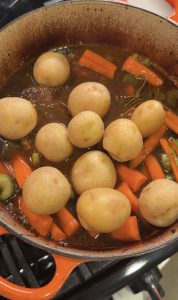
- Add the vegetables: After 2 hours nestle the potatoes, carrots, and celery around the roast mostly submerged in the liquid. Cover and cook for another 1 to 1½ hours, checking after 1 hour. The roast is done when a fork slides in easily and the meat pulls apart with little resistance. If the vegetables become tender before the meat remove them and return them to warm through at the end. If needed continue in 30-minute increments.
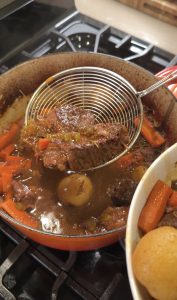
- Finish the braising liquid: Transfer the beef and vegetables to a platter and loosely cover. Remove and discard the herb stems and bay leaf. Skim any excess fat from the surface of the liquid. Optionally, stir in red wine vinegar if you want more brightness. Adjust salt and pepper. At this point you can spoon the braising liquid straight over the roast.
- Optional gravy: If you want a thicker sauce bring the braising liquid to a simmer. Mash the softened butter and flour together into a smooth paste. Whisk the paste into the simmering liquid a little at a time and simmer for 5-8 minutes until lightly thickened. Taste and adjust seasoning.
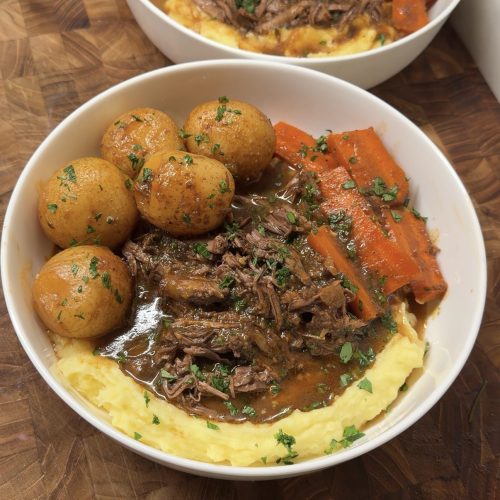
- Serve: Spoon the braising liquid or gravy over the roast and vegetables and finish with fresh parsley if using.
Storage & Reheating
Storage: Store the roast, vegetables, and braising liquid together in an airtight container in the fridge for up to 4 days.
Reheating: Reheat gently in a covered pot on the stovetop over low heat with a splash of broth to loosen. Low and slow to avoid drying the meat out.
Freezing: Pot roast freezes well for up to 3 months. Freeze the meat and liquid together and thaw overnight in the fridge before reheating.
Leftover ideas: Shred leftover pot roast and use it in tacos, sandwiches, over mashed potatoes, or in a hash with the leftover vegetables the next morning.
Classic Pot Roast
Ingredients
The Roast
- 2.5 lb chuck roast
- olive oil to sear roast
- 1½ tsp salt plus more to taste
- ½ to 1 tsp black pepper
The Braise
- 1 large yellow onion sliced
- 5 cloves garlic minced
- 2 tbsp tomato paste
- ¾ cup dry red wine
- 2 to 3 cups low-sodium beef broth as needed
- ½ tsp dried thyme or 5 fresh sprigs
- ¼ tsp dried rosemary or 1 small fresh sprig
- 1 bay leaf
- 2 tsp Worcestershire sauce
The Vegetables
- 600 g baby Yukon Gold potatoes
- 350 g carrots cut down middle and into 2-inch pieces
- 120 g celery about 2 ribs, cut into 2-inch pieces
Optional Gravy
- 1½ tbsp unsalted butter softened
- 2 tbsp all-purpose flour
- 1 to 2 tsp red wine vinegar to taste
To Finish
- Fresh parsley chopped, optional
Instructions
- Preheat and prep: Preheat oven to 300°F. Pat the chuck roast completely dry with paper towels and season all over with salt and black pepper.
- Sear the roast: Heat olive oil in a Dutch oven over medium-high heat until shimmering. Brown the roast for 4-5 minutes on each broad side without moving it until a deep crust forms. Briefly brown the edges as well. Transfer to a plate and set aside.
- Cook the onion: Lower the heat to medium. Add the sliced onion to the same pot and cook stirring occasionally for 12-15 minutes until softened and genuinely golden. Add chopped garlic and cook for 1 minute until fragrant. Add tomato paste and cook stirring constantly for 2 minutes until it darkens slightly.
- Deglaze: Pour in the red wine and scrape up all the browned bits from the bottom of the pot. Simmer for 3-5 minutes until reduced by roughly half.
- Start the braise: Return the roast and any accumulated juices to the pot. Add thyme, rosemary, bay leaf, and Worcestershire sauce. Pour in enough beef broth to reach about halfway up the roast. Bring to a gentle simmer, cover tightly, and transfer to the oven for 2 hours.
- Add the vegetables: After 2 hours nestle the potatoes, carrots, and celery around the roast mostly submerged in the liquid. Cover and cook for another 1 to 1½ hours, checking after 1 hour. The roast is done when a fork slides in easily and the meat pulls apart with little resistance. If the vegetables become tender before the meat remove them and return them to warm through at the end. If needed continue in 30-minute increments.
- Finish the braising liquid: Transfer the beef and vegetables to a platter and loosely cover. Remove and discard the herb stems and bay leaf. Skim any excess fat from the surface of the liquid. Stir in 1 tsp red wine vinegar, taste, and add the second teaspoon if you want more brightness. Adjust salt and pepper. At this point you can spoon the braising liquid straight over the roast — it's deeply flavored and completely delicious as-is.
- Optional gravy: If you want a thicker sauce bring the braising liquid to a simmer. Mash the softened butter and flour together into a smooth paste. Whisk the paste into the simmering liquid a little at a time and simmer for 5-8 minutes until lightly thickened. Taste and adjust seasoning.
- Serve: Spoon the braising liquid or gravy over the roast and vegetables and finish with fresh parsley if using. Enjoy on its own or eat it with my garlic mashed potato recipe!